Working with schools

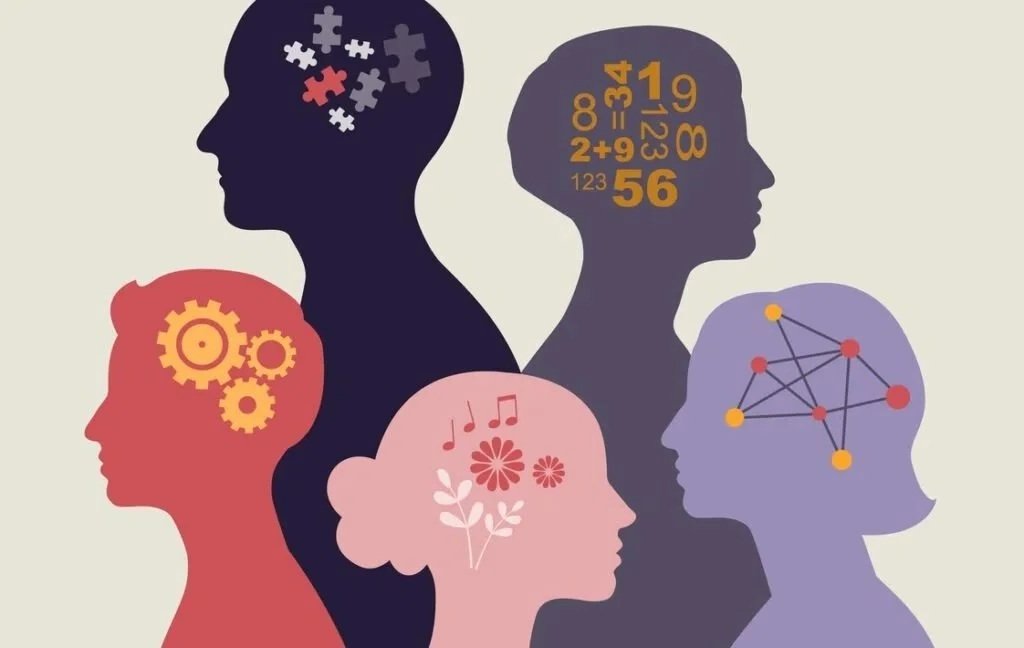
Understanding Young People
With more than twenty years of experience in educational environments, including specialist provision, mainstream contexts, and learning bases. Warrener Wakeman Therapies has developed a specialism in supporting young people's mental health and additional needs.

“There are only two lasting bequests we can hope to give our children. One of these is roots…the other, wings.”
-Henry Ward Beecher
facilitating healing spaces for young people
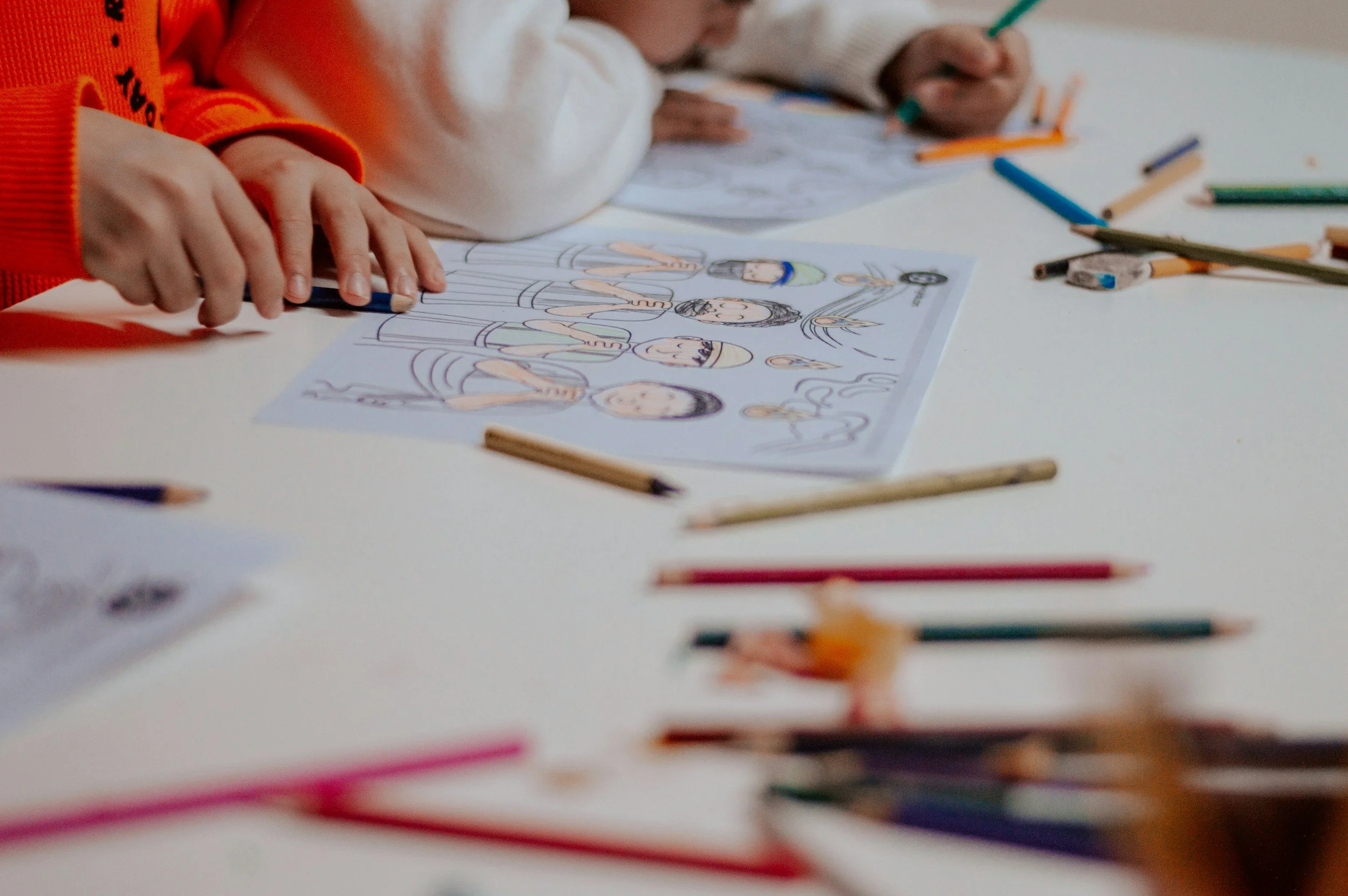
Our therapeutic work with young people is grounded in creative opportunities that foster self-discovery and expression, allowing them to explore their inner lives in a manner that feels natural and engaging.
Alongside this, we incorporate psychoeducation to help demystify emotions and behaviours, empowering young clients with knowledge and tools for resilience.
By nurturing strong, trusting therapeutic relationships, We provide a foundation of safety and acceptance, ensuring each child or adolescent feels seen, heard, and supported throughout their journey.
Support we offer
-
Support we offer -
Tier 1- what we offer in our universal provision
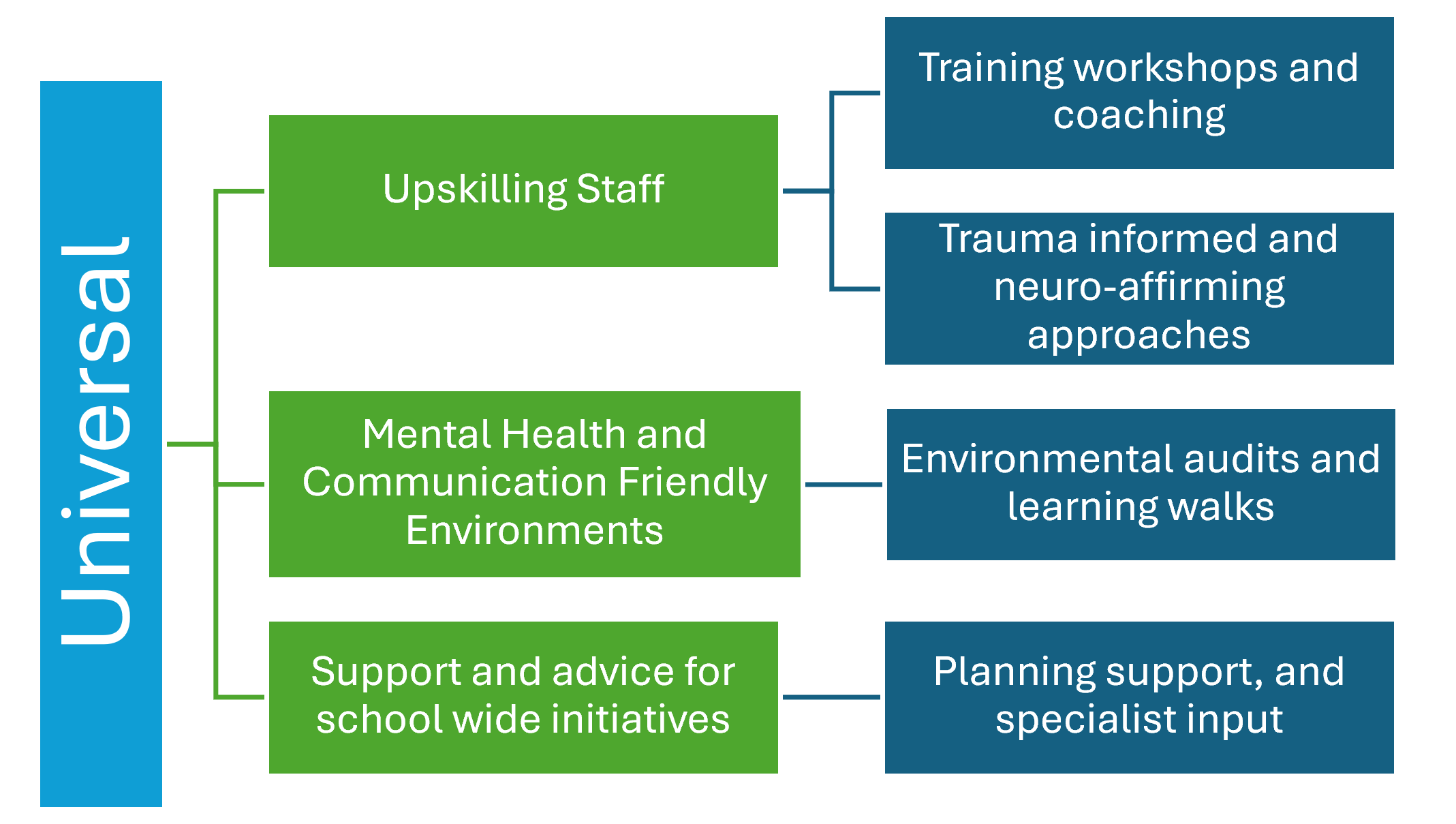
Access to a program of training workshops, and develop a bespoke skills package.
Skills programs designed for department teams or whole school.
Specialist advice for managing environments and promoting site wide regulation.
Tier 2- Targeted School Intervention provision
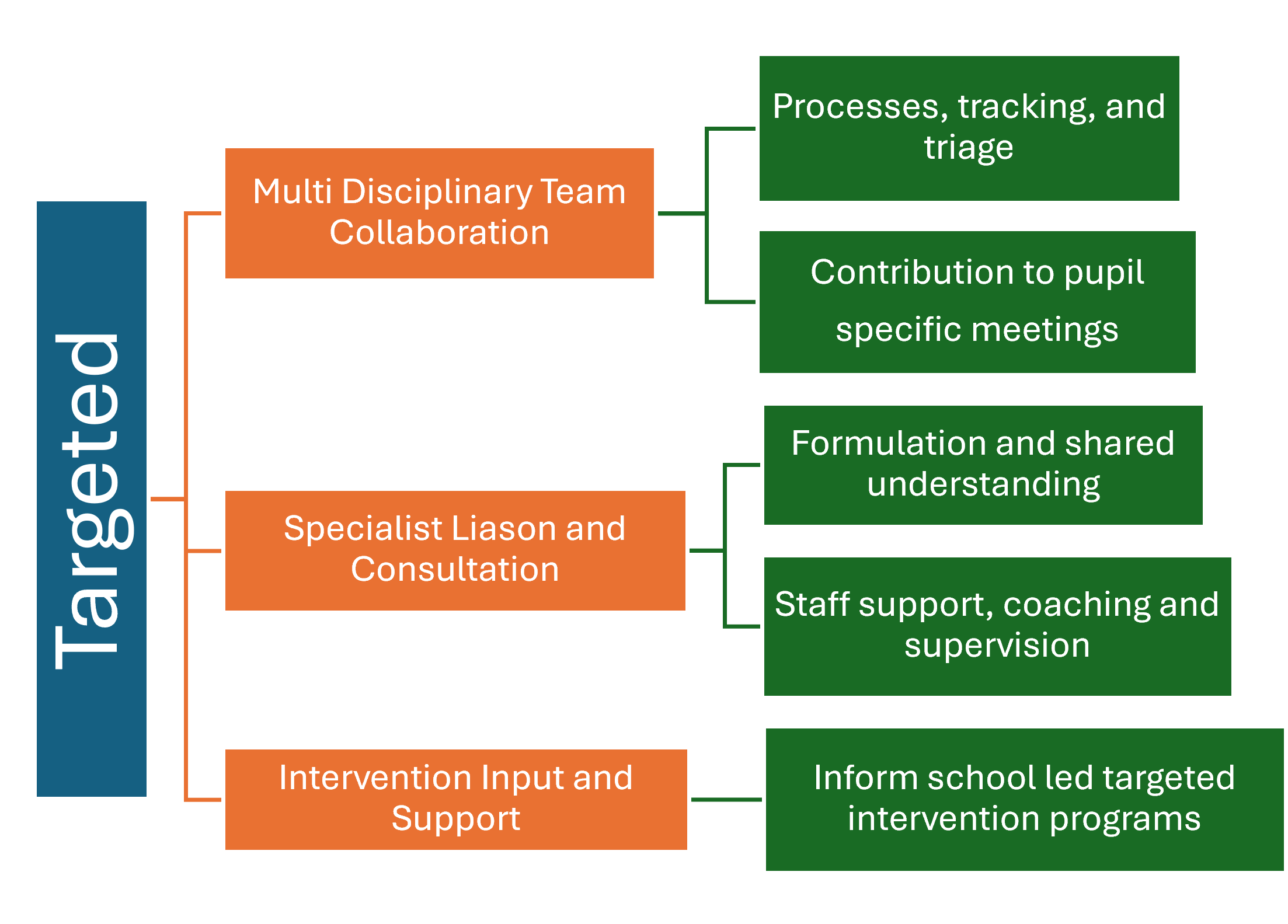
Specialist and Targeted levels of intervention.
Input to pupil specific planning meetings like annual reviews and TAC.
Collaboration in monitoring, reporting and provision tracking.
Staff support and advice, via liaison meetings, coaching and skills building.
tier 3 - Specialist and Direct Provision
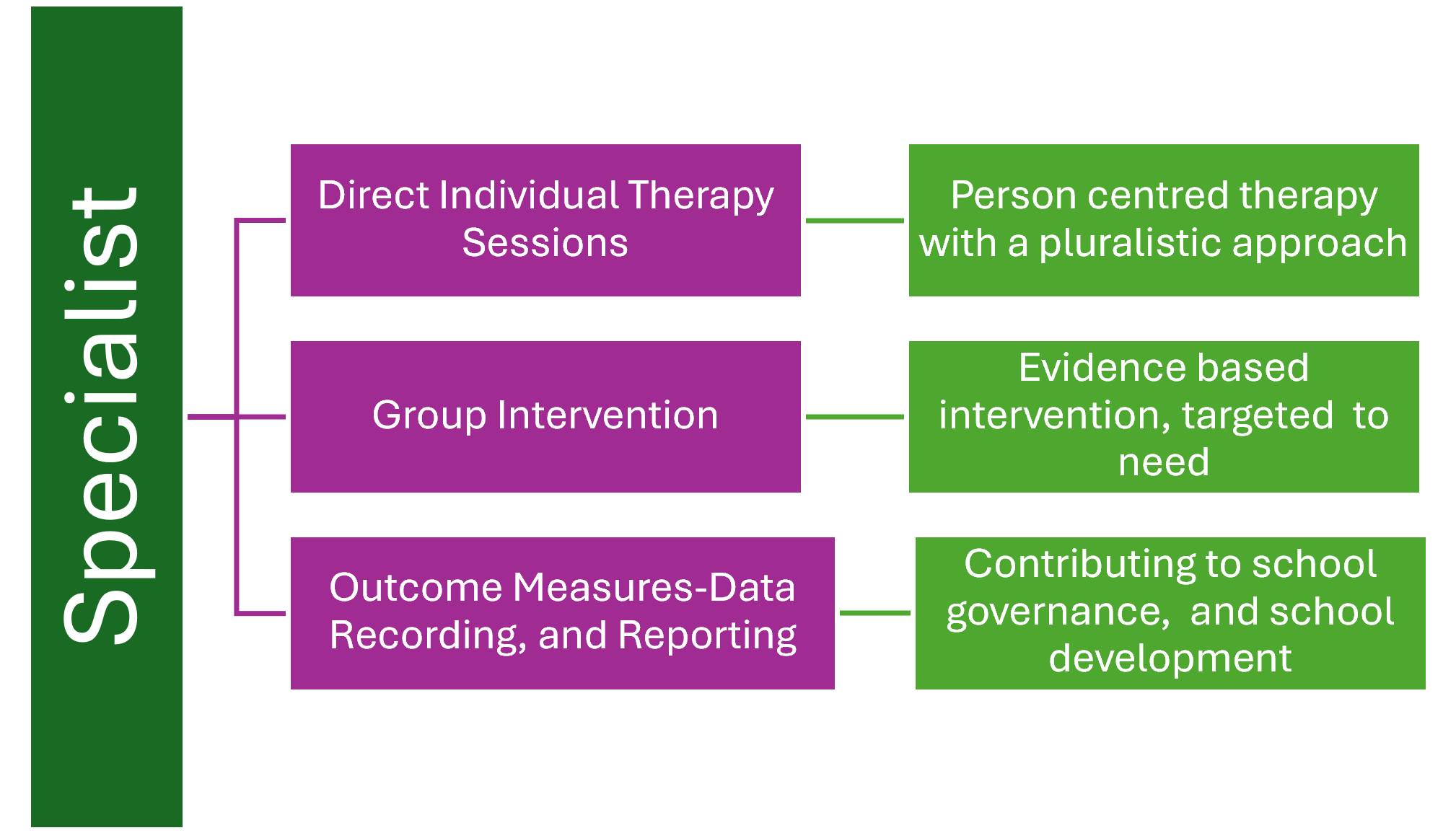
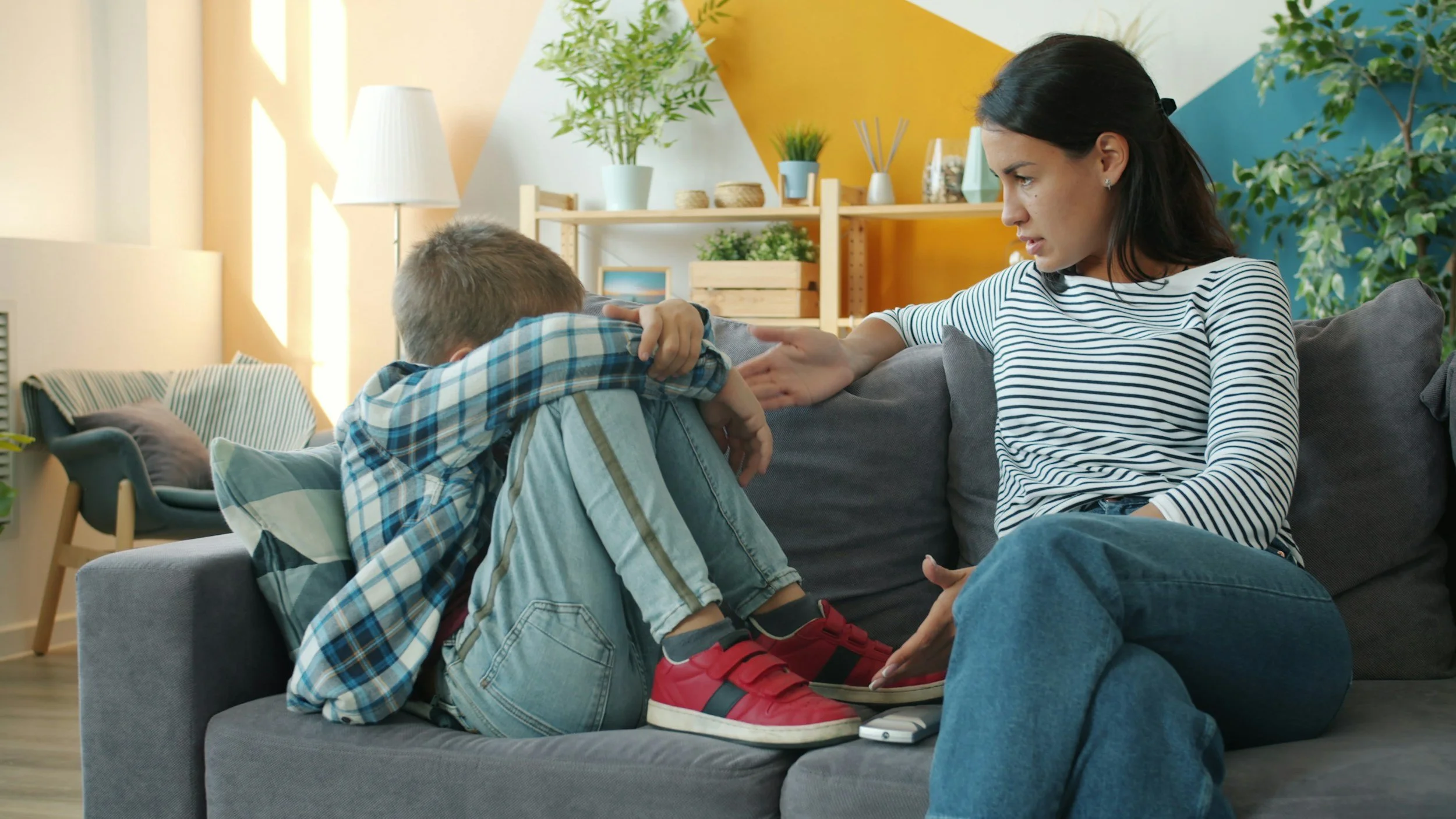
Specialist level intervention
Direct counselling sessions, both individual and group.
Outcome measures used and shared half-termly/termly to track progress and evidence impact
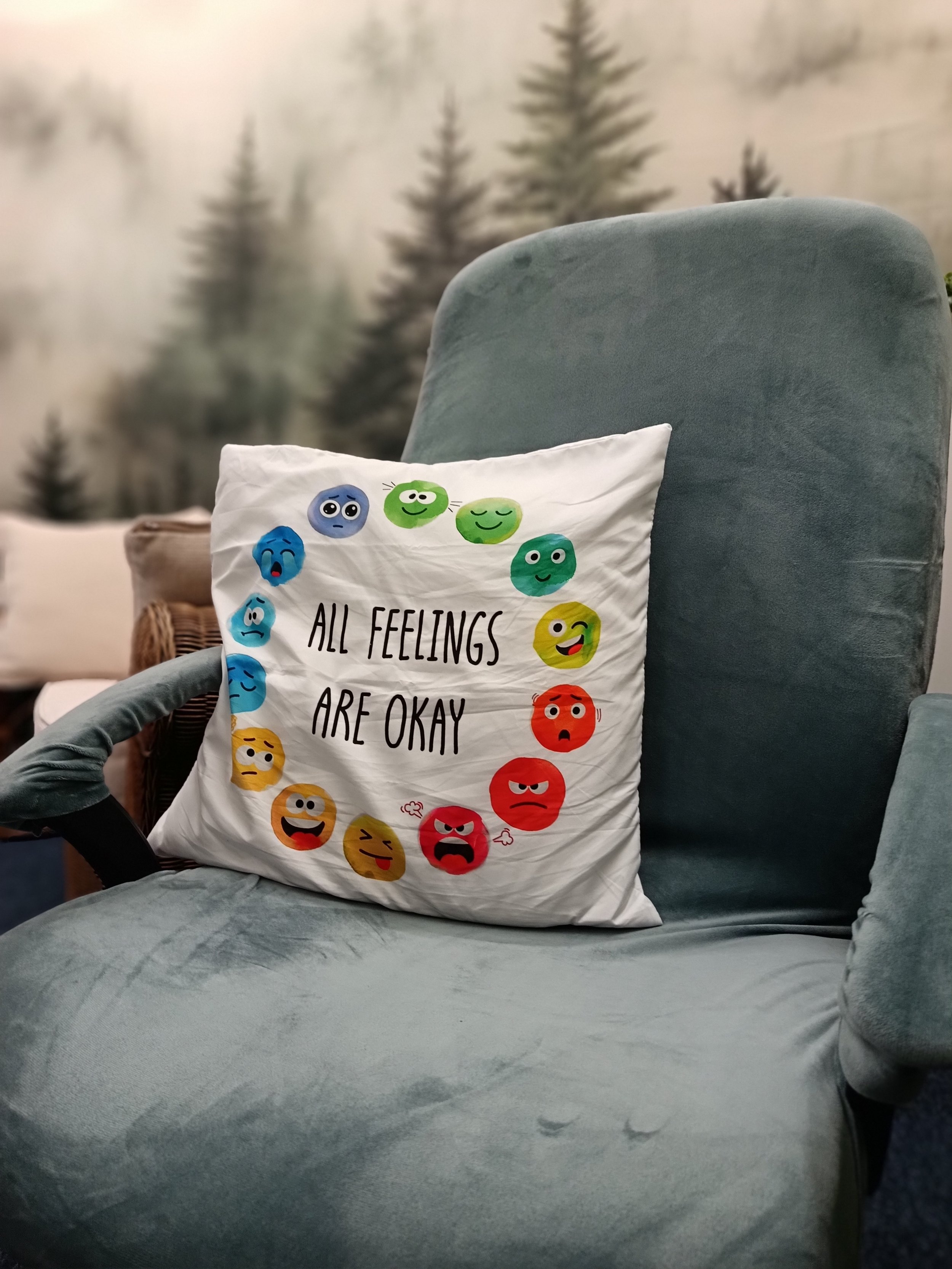
Trauma Informed Practice
Additional needs specialist
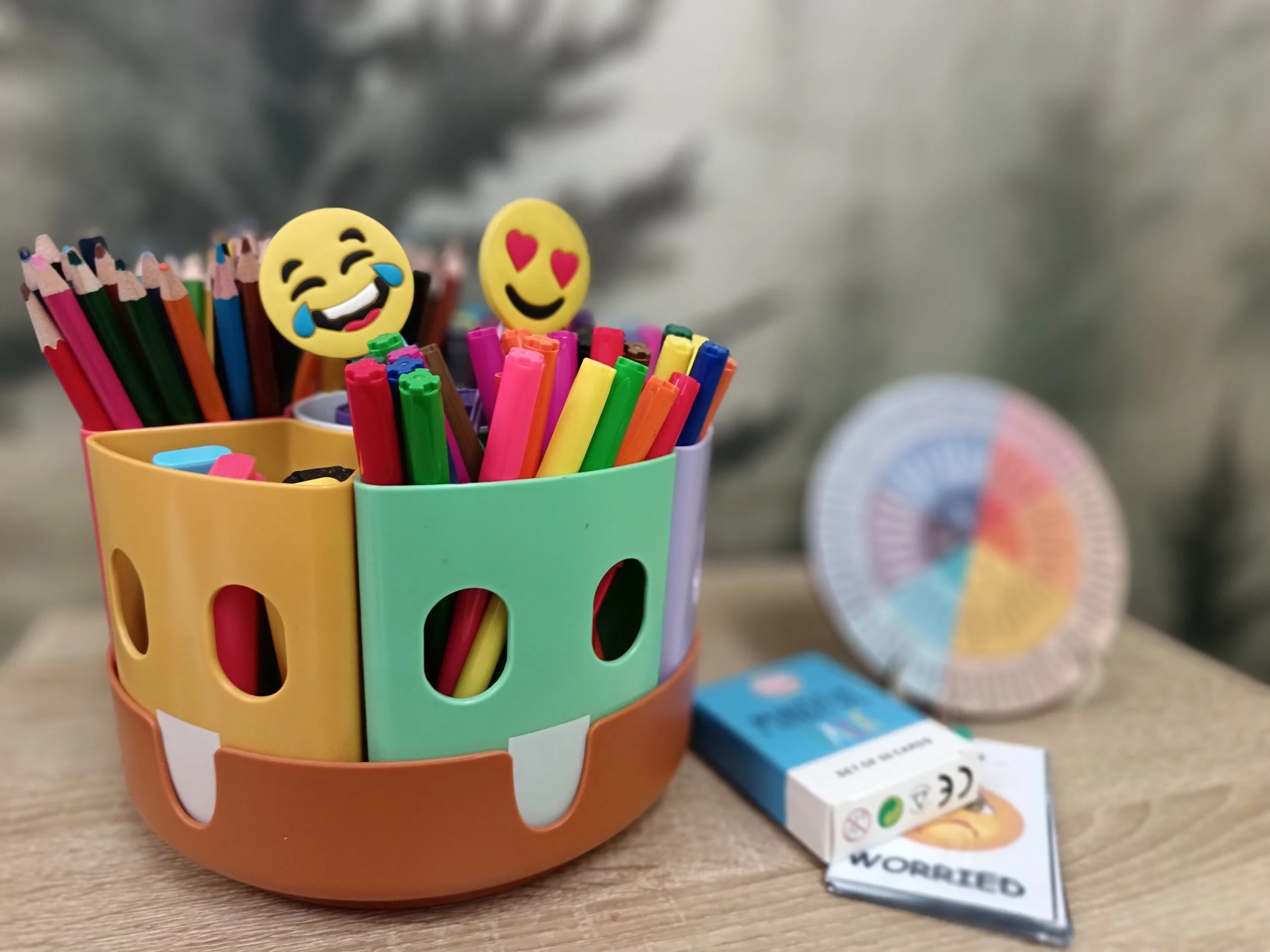
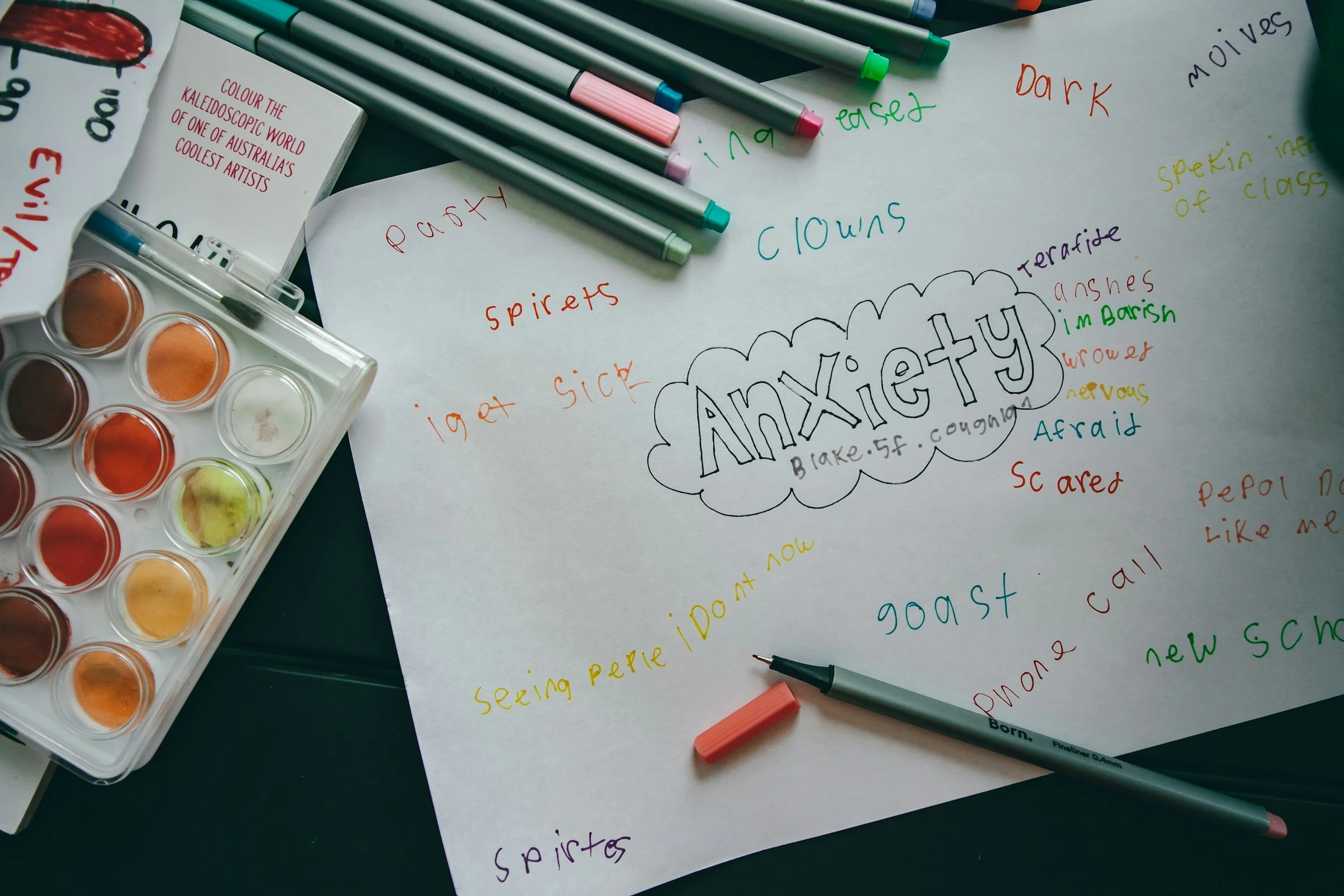
Working Creatively

Attachment Aware Practice

Supporting Professionals

Training and skill building
Neuro-diversity Awareness

Multi Disciplinary Working